Noticing blood when you brush or floss your teeth can be worrying. Many people assume occasional bleeding gums are normal, particularly if they have brushed a little harder than usual. However, healthy gums should not bleed during your daily oral hygiene routine.
Bleeding gums are often one of the earliest warning signs that your gums have become inflamed. While the problem may begin as mild irritation, leaving it untreated can allow it to progress into more serious gum disease, increasing the risk of gum recession, loose teeth and even tooth loss.
The good news is that bleeding gums can often be prevented and, in many cases, successfully treated when identified early. By maintaining good oral hygiene, attending regular dental check ups and seeking professional advice when symptoms develop, you can keep your gums healthy and protect your smile.
In this guide, we explain why gums bleed, what causes the problem, how to prevent it and when you should seek professional treatment.
Should Healthy Gums Bleed?
No. Healthy gums should not bleed when you brush or floss your teeth. If you regularly notice blood on your toothbrush, in the sink or when cleaning between your teeth, it is usually a sign that your gums have become inflamed.
This inflammation is most commonly caused by plaque, which is a sticky layer of bacteria that constantly forms on your teeth. If plaque is not removed thoroughly each day, it irritates the gums and triggers the body’s natural inflammatory response. The earlier this inflammation is treated, the easier it is to restore healthy gums.
What Do Healthy Gums Look Like?
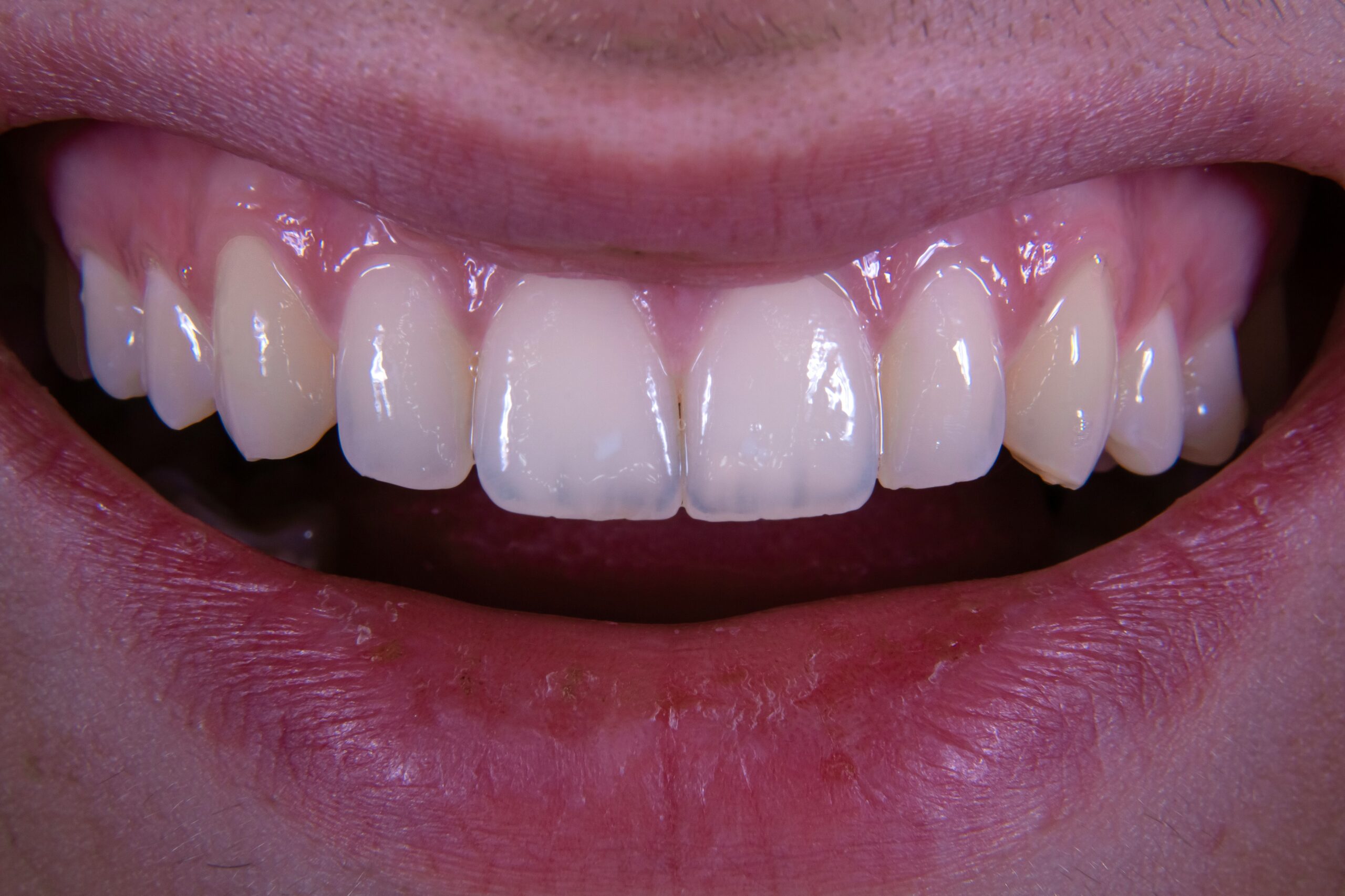
Healthy gums play an important role in protecting your teeth and supporting your overall oral health.
They should fit closely around each tooth, creating a seal that helps prevent bacteria from reaching the roots and supporting bone.
Healthy gums are usually:
- Pink in colour, although the exact shade varies depending on your natural skin tone
- Firm and resilient
- Comfortable and pain free
- Free from swelling
- Not prone to bleeding during brushing or flossing
If your gums become red, swollen, tender or begin bleeding regularly, these are signs that something may not be quite right.
Why Do Gums Bleed?
Understanding why gums bleed begins with understanding how gum disease develops. Throughout the day, bacteria naturally collect on your teeth and gums, forming a sticky layer known as plaque. If plaque is not removed effectively through brushing and cleaning between your teeth, it begins to build up around the gum line.
Your immune system recognises the bacteria within plaque and responds by increasing blood flow to the gums to fight the infection. This causes inflammation, making the gums swollen and causing the tiny blood vessels beneath the surface to become more fragile.
As a result, even gentle brushing or flossing may cause bleeding. If plaque remains on the teeth, it gradually hardens into tartar. Unlike plaque, tartar cannot be removed with a toothbrush and requires professional cleaning by a dentist or dental hygienist.
What Causes Bleeding Gums?
Although plaque is the most common cause, bleeding gums can develop for several reasons.
Common causes include:
- Plaque build up around the gum line
- Gingivitis
- Periodontal disease
- Brushing too aggressively
- Not cleaning between your teeth
- Smoking
- Hormonal changes during pregnancy
- Vitamin deficiencies
- Certain medications, including blood thinning medication
- Poorly fitting dentures
- Dry mouth
- Diabetes
Identifying the underlying cause is important because the most effective treatment depends on why your gums are bleeding.
Early Signs of Gum Disease
Bleeding gums are often the first warning sign of gum disease, but there are several other symptoms that should not be ignored.
These include:
- Red or swollen gums
- Tenderness around the gum line
- Persistent bad breath
- A bad taste in the mouth
- Receding gums
- Teeth appearing longer than before
- Increased tooth sensitivity
- Changes in the way your teeth fit together when biting
One of the challenges with gum disease is that it often develops slowly and may not cause pain until it has become more advanced.
Regular dental examinations allow gum disease to be detected and treated before permanent damage occurs.
Can Bleeding Gums Be Reversed?
In many cases, yes. If bleeding gums are caused by gingivitis, improving your oral hygiene and removing plaque and tartar professionally can often reverse the condition completely.
Once the inflammation settles, the gums usually become healthier and bleeding stops. However, if gingivitis is left untreated, it can progress to periodontitis. Unlike gingivitis, periodontitis causes permanent damage to the supporting tissues and bone around the teeth. Although it cannot be completely reversed, it can usually be managed successfully with professional periodontal treatment and ongoing maintenance. This is why early treatment is so important.
How to Prevent Bleeding Gums
Preventing bleeding gums is usually much easier than treating advanced gum disease.
Simple daily habits can make a significant difference to your gum health.
Brush Your Teeth Properly
Brush your teeth twice each day using fluoride toothpaste and a soft bristled toothbrush. Use gentle circular movements rather than scrubbing aggressively, paying particular attention to the gum line where plaque tends to collect.
Replacing your toothbrush or electric toothbrush head every three months also helps maintain effective cleaning.
Clean Between Your Teeth Every Day
A toothbrush only cleans around sixty percent of each tooth. The remaining surfaces can only be cleaned using floss or interdental brushes.
Cleaning between your teeth removes plaque before it irritates the gums and is one of the most effective ways to prevent gingivitis.
Visit Your Dental Hygienist Regularly
Even patients with excellent oral hygiene develop tartar over time. Professional hygiene appointments remove plaque and tartar from areas that cannot be cleaned effectively at home.
Your hygienist can also identify the early signs of gum disease and provide personalised advice to help improve your daily routine.
Stop Smoking
Smoking significantly increases the risk of gum disease by reducing blood flow to the gums and affecting the body’s ability to fight infection.
Giving up smoking is one of the best things you can do for both your oral health and your overall wellbeing.
Eat a Healthy Diet
A balanced diet provides the vitamins and minerals needed to maintain healthy gums. Fruit and vegetables rich in vitamin C help support healthy gum tissue, while dairy products provide calcium to strengthen teeth and jawbone.
Crunchy fruit and vegetables can also stimulate saliva production, helping to naturally cleanse the mouth.
Stay Hydrated
Drinking plenty of water helps wash away food particles and bacteria while supporting saliva production. Saliva plays an important role in protecting your teeth and gums by neutralising acids and reducing plaque build up.
Common Mistakes That Make Bleeding Gums Worse
When people notice their gums bleeding, they often change their oral hygiene routine in ways that can actually make the problem worse.
Understanding what not to do is just as important as knowing how to care for your gums properly.
Stopping Brushing or Flossing
One of the most common mistakes is avoiding the area because it bleeds.
Although this may seem like the right thing to do, it allows more plaque to build up around the gums, increasing inflammation and making the bleeding worse.
Continue brushing and cleaning between your teeth gently. As your gums become healthier, the bleeding should gradually improve.
Brushing Too Hard
Many people believe brushing harder cleans their teeth more effectively, but aggressive brushing can damage both the gums and tooth enamel.
Use a soft toothbrush and gentle, circular movements rather than scrubbing back and forth.
Ignoring the Symptoms
Bleeding gums are not something you should simply accept as normal.
Because gum disease often develops without pain, bleeding may be the only warning sign you notice. Seeking advice early can prevent more serious problems from developing.
Skipping Regular Dental Check Ups
Even with excellent brushing and flossing, plaque can harden into tartar in areas that are difficult to clean.
Routine dental examinations and hygiene appointments help identify and remove these deposits before they lead to gum disease.
When Should You See a Dentist?
Occasional bleeding may improve if you enhance your oral hygiene routine, but persistent bleeding should always be assessed by a dental professional.
You should arrange an appointment if:
- Your gums bleed every time you brush or floss
- The bleeding continues for more than two weeks
- Your gums are swollen, tender or painful
- You have persistent bad breath
- Your gums appear to be receding
- Your teeth feel loose
- You notice pus around the gums
The sooner gum problems are diagnosed, the easier they are usually to treat.
The Importance of Regular Dental Hygiene Appointments
Many people only visit the dentist when they experience discomfort, but preventing gum disease is far easier than treating it once it becomes advanced.
Regular appointments with a dental hygienist help remove plaque and tartar before they can cause inflammation.
Your hygienist can also:
- Demonstrate effective brushing and interdental cleaning techniques
- Recommend products suited to your oral health needs
- Monitor changes in your gum health over time
- Provide advice tailored to your lifestyle and risk factors
Professional cleaning combined with good oral hygiene at home is one of the most effective ways to prevent bleeding gums.
Frequently Asked Questions
Is it normal for my gums to bleed when I first start flossing?
If you have recently started flossing after not cleaning between your teeth regularly, your gums may bleed for a few days because of existing inflammation caused by plaque build up.
This should improve as your gums become healthier. If the bleeding continues for more than two weeks, arrange a dental examination.
Can stress cause bleeding gums?
Stress can affect your immune system, making it harder for your body to respond to inflammation and infection. While stress alone is not usually the direct cause of bleeding gums, it may contribute to gum problems when combined with poor oral hygiene.
Should I stop brushing if my gums bleed?
No. Continue brushing gently using a soft toothbrush and fluoride toothpaste. Stopping brushing allows plaque to accumulate, which often makes the inflammation worse.
Can mouthwash stop bleeding gums?
An antibacterial mouthwash may help reduce bacteria in the mouth, but it should never replace brushing, cleaning between your teeth and regular professional dental care. The most effective way to stop bleeding gums is to remove the cause of the inflammation.
How long does it take for bleeding gums to improve?
If bleeding is caused by gingivitis, many patients notice an improvement within one to two weeks after improving their oral hygiene and having professional cleaning if needed. More advanced gum disease may require ongoing periodontal treatment.
Are bleeding gums always a sign of gum disease?
Not always. While plaque related gum disease is the most common cause, bleeding gums can also result from pregnancy, certain medications, vitamin deficiencies or aggressive brushing. A dental examination can identify the underlying cause.
Can children get bleeding gums?
Yes. Children can develop gingivitis if plaque is allowed to build up around the teeth and gums. Teaching children good brushing habits and attending regular dental check ups helps maintain healthy gums from an early age.