Good oral hygiene is about much more than having clean teeth and fresh breath. The habits you follow every day can help prevent tooth decay, protect your gums and reduce the likelihood of developing dental problems in the future.
Fortunately, maintaining a healthy mouth does not need to be complicated. Brushing effectively, cleaning between your teeth and making sensible choices about what you eat and drink can make a significant difference.
In this guide, we share practical oral hygiene tips to help you look after your teeth and gums every day.
What Is Good Oral Hygiene?
Good oral hygiene means keeping your teeth, gums and mouth clean and healthy by controlling the build up of plaque.
Plaque is a sticky film of bacteria that continually forms on your teeth. If it is not removed effectively, it can contribute to tooth decay and gum disease.
A good oral hygiene routine should include:
- Brushing twice a day
- Using fluoride toothpaste
- Cleaning between your teeth every day
- Limiting how frequently you consume sugary foods and drinks
- Attending regular dental check ups
- Having professional hygiene appointments when recommended
The key is consistency. A good routine performed every day is more effective than occasionally giving your teeth an intensive clean.
1. Brush Your Teeth Twice a Day
Brush your teeth twice every day using fluoride toothpaste.
One of those times should always be last thing before bed. This is particularly important because saliva production decreases while you sleep, reducing some of the mouth’s natural protection against bacteria and acids.
Choose another convenient time for your second brushing session.
You should brush for approximately two minutes, making sure you clean every surface of every tooth rather than concentrating only on the teeth you can see when you smile.
2. Make Sure You Are Brushing Properly
Brushing twice daily is important, but your technique matters too.
Position your toothbrush so you can clean where the teeth meet the gums. Use gentle, controlled movements and work systematically around your mouth so you do not accidentally miss areas.
Remember to clean:
- The outside surfaces of your teeth
- The inside surfaces of your teeth
- The biting surfaces
- Around the gum line
- Behind your back teeth
Avoid aggressive scrubbing. Brushing harder does not necessarily make your teeth cleaner. Using excessive pressure over time can also contribute to gum recession and tooth wear.
3. Use Fluoride Toothpaste
Fluoride is an important ingredient in toothpaste because it helps strengthen tooth enamel and protect against tooth decay.
Adults should generally use a toothpaste containing at least 1,350ppm fluoride.
After brushing, spit out the excess toothpaste but avoid immediately rinsing your mouth with water. Rinsing washes away the concentrated fluoride left on the teeth and reduces its protective effect.
4. Clean Between Your Teeth Every Day
Your toothbrush cannot effectively reach every surface between your teeth.
Plaque and food debris can therefore accumulate in these areas even if you brush thoroughly twice a day.
Clean between your teeth every day using dental floss or interdental brushes.
Interdental brushes are particularly useful when there is enough space between the teeth for them to fit comfortably. They are available in different sizes, and your dentist or dental hygienist can advise you on the most appropriate size and technique.
Floss can be useful for tighter spaces where an interdental brush cannot comfortably fit.
You may notice some bleeding when you first begin cleaning between your teeth regularly if your gums are inflamed. This should improve as your gum health improves. If you regularly experience bleeding, read our guide on how to prevent bleeding gums for more advice.
Persistent bleeding should be assessed by a dental professional.
5. Do Not Forget Your Tongue
Bacteria can also accumulate on the surface of your tongue.
For some people, gently cleaning the tongue can help remove debris and bacteria and may help maintain fresher breath.
You can use a toothbrush or dedicated tongue cleaner.
Be gentle and avoid excessive scraping, as this can irritate the tongue.
If you experience persistent bad breath despite maintaining good oral hygiene, it is worth speaking to your dentist because there may be an underlying cause.
6. Think About When You Use Mouthwash
Mouthwash can be useful for some people, but it should not be viewed as a substitute for brushing and cleaning between the teeth.
If you use a fluoride mouthwash, avoid using it immediately after brushing because it can wash away the more concentrated fluoride left behind by your toothpaste.
Using mouthwash at a different time of day may be more beneficial.
Your dentist or hygienist can advise whether a particular mouthwash would be useful for your individual oral health needs.
7. Limit How Often You Have Sugar
Sugar is one of the major dietary factors contributing to tooth decay.
When bacteria in dental plaque consume sugar, they produce acids that attack tooth enamel.
It is not simply the total amount of sugar you consume that matters. The frequency of exposure is also important.
Regularly snacking on sugary foods or sipping sugary drinks throughout the day exposes your teeth to repeated acid attacks.
Try to keep sugary foods and drinks to mealtimes rather than consuming them frequently between meals.
Be particularly mindful of:
- Sweets
- Biscuits
- Cakes
- Sugary breakfast cereals
- Fizzy drinks
- Energy drinks
- Sweetened coffee and tea
- Fruit juices and smoothies
Water and plain milk are better choices for everyday drinks.
8. Stay Hydrated
Water is one of the simplest ways to support good oral health.
Drinking water helps wash away food particles and supports saliva production.
Saliva plays an important role in protecting the mouth because it helps neutralise acids, wash away debris and maintain a healthy oral environment.
If you regularly experience a dry mouth, speak to your dentist. Persistent dry mouth can increase the risk of tooth decay and may be associated with medications or certain health conditions.
9. Look After Your Toothbrush
Your toothbrush needs to be in good condition to clean effectively.
Replace your manual toothbrush or electric toothbrush head when the bristles become worn or approximately every three months.
After brushing, rinse your toothbrush and allow it to air dry.
A worn toothbrush with frayed bristles will not clean as effectively and may make it more difficult to reach areas around the gum line.
10. Electric or Manual Toothbrush: Which Is Better?
Both manual and electric toothbrushes can clean your teeth effectively when used correctly.
Some people find an electric toothbrush easier because features such as timers and pressure sensors can encourage better brushing habits.
An electric toothbrush can also make it easier to maintain a consistent cleaning technique, particularly if you tend to brush too quickly or apply too much pressure.
The most important factors are using an effective technique, brushing for long enough and cleaning every tooth thoroughly.
If you are unsure which toothbrush would be most suitable for you, ask your dentist or hygienist.
11. Avoid Smoking
Smoking can have significant consequences for your oral health.
It increases the risk of gum disease, tooth loss and oral cancer. Smoking can also contribute to staining and persistent bad breath.
One particularly important issue is that smoking can mask some of the signs of gum disease. This means gum problems may not always be as obvious to someone who smokes.
Stopping smoking provides benefits for both your oral health and general health.
12. Avoid Brushing Immediately After Acidic Foods and Drinks
Foods and drinks containing acids can temporarily soften the surface of tooth enamel.
Brushing immediately afterwards may contribute to enamel wear.
After consuming something acidic, consider rinsing your mouth with water and allowing some time before brushing.
Examples of acidic drinks include:
- Fizzy drinks
- Fruit juices
- Energy drinks
- Sports drinks
Reducing how frequently you consume acidic drinks can also help protect your teeth.
13. Pay Attention to Your Gums
Healthy gums are an essential part of good oral hygiene.
They should generally feel firm and fit closely around your teeth. Healthy gums should not regularly bleed when you brush or clean between your teeth.
Signs that your gums may need professional attention include:
- Regular bleeding
- Redness or swelling
- Gum recession
- Persistent bad breath
- Tenderness
- Loose teeth
Bleeding gums are often associated with inflammation caused by plaque around the gum line.
If your gums regularly bleed when brushing or cleaning between your teeth, our guide on how to prevent bleeding gums explains some of the common causes and what you can do to improve your gum health.
14. Do Not Ignore Persistent Bad Breath
Everyone experiences bad breath occasionally, particularly after eating certain foods or first thing in the morning.
Persistent bad breath is different.
Bacteria on the tongue, plaque around the teeth, gum problems and dry mouth can all contribute.
Improving brushing, interdental cleaning and tongue cleaning may help, but persistent bad breath should be investigated rather than continually masked with chewing gum or mouthwash.
At Rosslyn Hill Dental Clinic, we also offer bad breath treatment to help identify and address the underlying cause.
15. Maintain Your Routine When Travelling or Busy
Oral hygiene is often one of the first routines to become inconsistent when people are travelling, working late or have a particularly busy schedule.
Try to maintain the same basic habits wherever you are.
Pack a toothbrush, fluoride toothpaste and your usual interdental cleaning products when travelling.
Missing one brushing session occasionally is unlikely to cause a major problem, but repeatedly neglecting your routine allows plaque to accumulate.
Oral Hygiene Tips for Children
Good oral hygiene habits should begin as soon as your child’s first tooth appears.
Parents and carers play an important role in establishing these habits while children are young. Teeth should be brushed twice daily using an appropriate fluoride toothpaste, with an adult helping or supervising brushing until at least seven years of age.
The amount of toothpaste used should also be appropriate for the child’s age. Children under three should use a smear of fluoride toothpaste, while children aged three to six should use a pea sized amount.
It is also important to limit how frequently children consume sugary foods and drinks and to introduce regular dental visits from an early age.
You can find more information about looking after your child’s developing teeth on our children’s dentistry in Hampstead page.
Common Oral Hygiene Mistakes to Avoid
Even people who brush every day can make mistakes that reduce the effectiveness of their oral hygiene routine.
Common mistakes include:
- Brushing too aggressively
- Brushing for less than two minutes
- Regularly missing the gum line
- Never cleaning between the teeth
- Rinsing with water immediately after brushing
- Using mouthwash as a replacement for brushing
- Using mouthwash immediately after brushing
- Frequently snacking on sugary foods
- Using a worn toothbrush
- Ignoring bleeding gums
- Skipping dental appointments because nothing hurts
Good oral hygiene is about prevention rather than waiting until a dental problem becomes painful.
How Do You Know If Your Oral Hygiene Needs Improving?
Dental problems do not always cause pain in their early stages.
There are, however, signs that your oral hygiene routine may need attention.
Look out for:
- Plaque collecting around the gum line
- Tartar deposits
- Bleeding gums
- Persistent bad breath
- Red or swollen gums
- Tooth sensitivity
- Frequent food trapping between teeth
- Gum recession
If you notice changes to your teeth or gums, a dentist or dental hygienist can identify the cause and help you improve your oral hygiene routine.
Why Are Dental Hygienist Appointments Important?
Even excellent home care cannot always remove everything from your teeth.
Plaque that remains on the teeth can eventually harden into tartar. Once tartar has formed, it cannot be effectively removed through normal brushing or flossing at home.
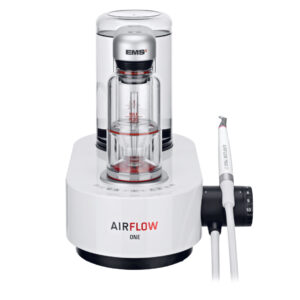
A dental hygienist can professionally remove these deposits and focus on areas that may be difficult for you to clean.
Hygiene appointments are also an opportunity to receive personalised advice about brushing, interdental cleaning and maintaining healthy gums.
At Rosslyn Hill Dental Clinic, our dental hygienists in Hampstead provide professional cleaning and preventative advice tailored to your individual oral health.
Frequently Asked Questions About Oral Hygiene
How many times a day should I brush my teeth?
Brush your teeth twice a day for approximately two minutes using fluoride toothpaste. One of those times should be last thing before bed.
Should I floss before or after brushing?
The most important thing is that you clean between your teeth thoroughly every day. Cleaning between the teeth before brushing can help loosen plaque and debris before you brush with fluoride toothpaste.
Should I rinse my mouth after brushing?
No. Spit out excess toothpaste but avoid rinsing immediately with water so that fluoride remains on your teeth for longer.
Is an electric toothbrush better than a manual toothbrush?
Both can be effective when used correctly. Some people find electric toothbrushes easier to use consistently and appreciate features such as pressure sensors and timers.
Do I need to use mouthwash every day?
Not necessarily. Mouthwash can be helpful in certain circumstances but should not replace brushing and interdental cleaning. Your dentist can advise whether you would benefit from using one.
Why do my gums bleed when I brush?
Bleeding gums are commonly associated with inflammation caused by plaque around the gum line. Brushing too aggressively can also cause irritation. If your gums regularly bleed, arrange a dental assessment rather than ignoring the problem.
How often should I visit a dental hygienist?
There is no single schedule suitable for everyone. How often you should see a hygienist depends on your oral health, gum health and individual risk factors. Your dental team can recommend an appropriate interval.
Can good oral hygiene prevent all dental problems?
Good oral hygiene can significantly reduce your risk of common problems such as tooth decay and gum disease, but it cannot prevent every dental problem. Diet, medical conditions, medications, tooth alignment and other factors can also influence oral health. Regular dental examinations therefore remain important.
Can I remove tartar at home?
Once plaque has hardened into tartar, it cannot be effectively removed with normal brushing and flossing. It should be professionally removed by a dental professional rather than attempting to scrape it from your teeth yourself.
What is the most important oral hygiene tip?
There is no single habit that replaces a complete oral hygiene routine. As a foundation, brush thoroughly twice daily with fluoride toothpaste and clean between your teeth every day. Combine this with sensible dietary habits and regular professional dental care.
Build an Oral Hygiene Routine That Lasts
Good oral hygiene does not require a complicated collection of products. The most important thing is following a simple and effective routine consistently.
Brush twice daily with fluoride toothpaste, clean between your teeth every day, limit frequent sugar exposure and pay attention to changes in your teeth and gums.
Professional dental care complements what you do at home. Regular dental examinations allow problems to be identified, while hygiene appointments can remove deposits that brushing and flossing cannot.
If you would like personalised advice about improving your oral hygiene, Rosslyn Hill Dental Clinic provides dental hygienist appointments in Hampstead to help you maintain healthy teeth and gums.